Why License and Credential Tracking Matters for Behavioral Health Providers
Behavioral health organizations depend on a qualified workforce to deliver safe, compliant, and consistent care. When licenses, certifications, supervision records, and required trainings are tracked in spreadsheets or scattered folders, small oversights can create major operational and compliance risks. A missed renewal date or incomplete staff file can affect scheduling, audits, and patient trust.
That is why credential tracking software has become an essential part of modern HR management software for mental health agencies and healthcare organizations. A structured system helps teams stay ahead of deadlines, maintain complete employee records, and reduce the administrative burden on HR and operations staff.
Key Takeaways
What Is License and Credential Tracking Software?
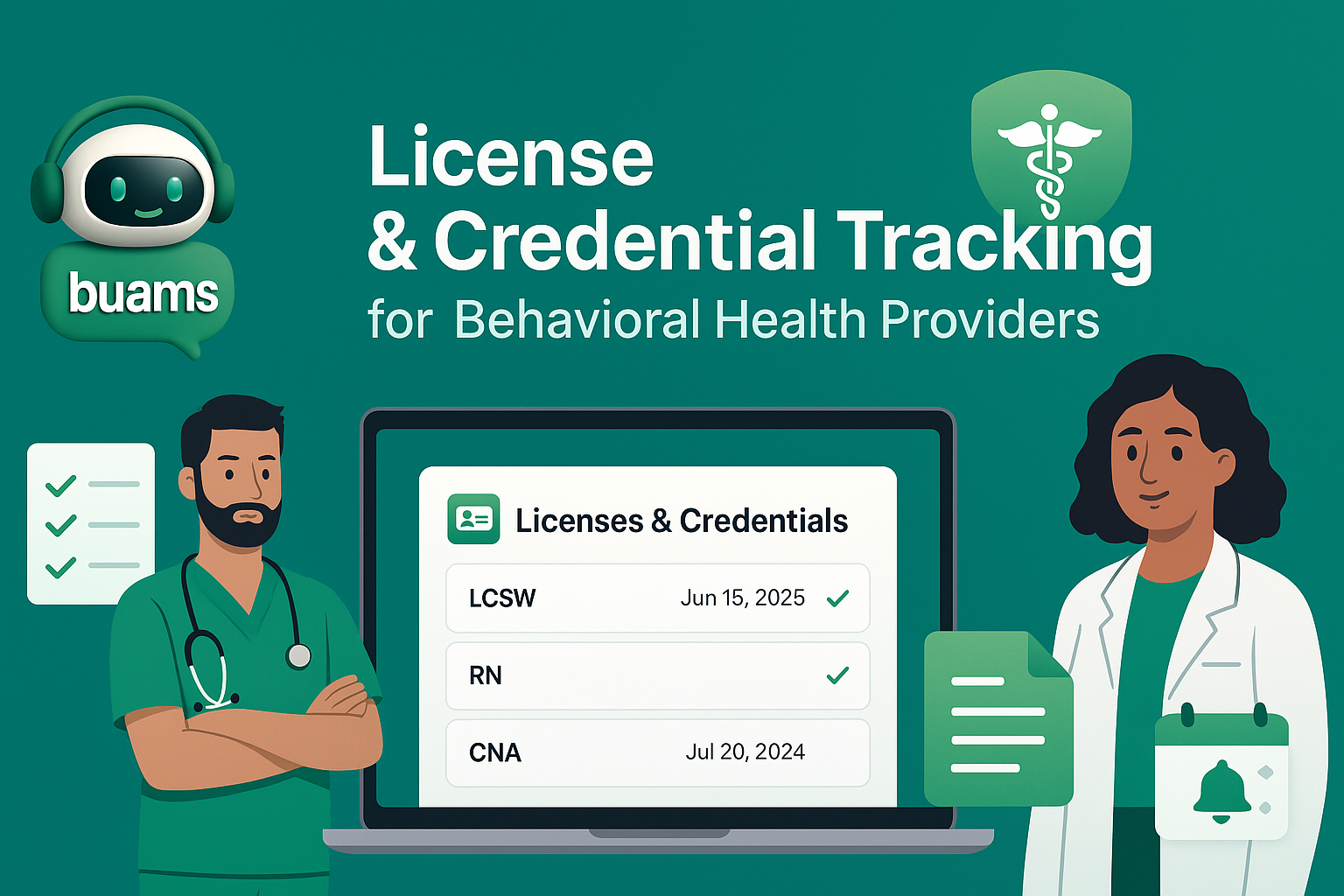
License and credential tracking software is a system used to monitor the professional qualifications required for employees to perform their roles. In behavioral health settings, that may include clinical licenses, certifications, CPR records, background checks, supervision documentation, continuing education requirements, and role-specific compliance items.
Instead of relying on manual calendar reminders or disconnected spreadsheets, healthcare HR software brings these records into one place. HR teams can quickly see what is current, what is about to expire, and what documentation is missing.
Why It Matters in Behavioral Health
Behavioral health providers often operate in highly regulated environments where staff qualifications must be current and well documented. This is especially important for organizations preparing for accreditation reviews, payer requirements, and internal quality checks.
When credential management is inconsistent, agencies may face avoidable issues such as delayed onboarding, scheduling disruptions, audit findings, and increased administrative stress. A reliable employee management system helps reduce these risks by making critical compliance information easier to access and maintain.
Common Challenges With Manual Tracking
These challenges become more serious as organizations grow, add programs, or work across multiple sites.
What to Look for in Credential Tracking Software
Centralized Digital Employee Files
A strong human resources platform should keep all employee documents in one secure system. This includes licenses, certifications, signed policies, onboarding forms, and supervision records.
Automated Expiration Alerts
Automated reminders help HR teams and managers act before a deadline passes. Alerts should support proactive follow-up, not last-minute scrambling.
Role-Based Compliance Tracking
Different roles may require different credentials and recurring documentation. The right workforce management software should make those requirements easy to define and monitor.
Audit Readiness
Organizations need to pull records quickly during internal reviews, accreditation surveys, or payer requests. Compliance tracking software should support organized reporting and easy document retrieval.
Support for Growth
As agencies expand, they need systems that scale with them. HR automation software should reduce repetitive manual work and provide visibility across teams and locations.
Best Practices for Staying Ahead of Expirations
These steps help behavioral health agencies move from reactive document chasing to a more dependable compliance process.
How BUAMS HR Helps
BUAMS HR gives behavioral health providers a practical way to manage staff records, compliance tasks, and workforce operations in one place. Instead of juggling paper files, spreadsheets, and inbox reminders, teams can use a more organized system for employee document management and compliance tracking.
With BUAMS HR, organizations can support digital employee files, monitor staff credentials, improve onboarding consistency, and strengthen audit readiness. This helps HR leaders and supervisors spend less time on manual follow-up and more time supporting a stable, qualified workforce.
Final Thoughts
For behavioral health providers, license and credential tracking is not just an administrative task. It is part of maintaining quality care, reducing compliance risk, and running a more resilient organization. The right behavioral health HR software can make that work far more manageable.
As agencies look for better ways to support growth and accountability, investing in structured credential tracking software is a smart step toward stronger workforce management.